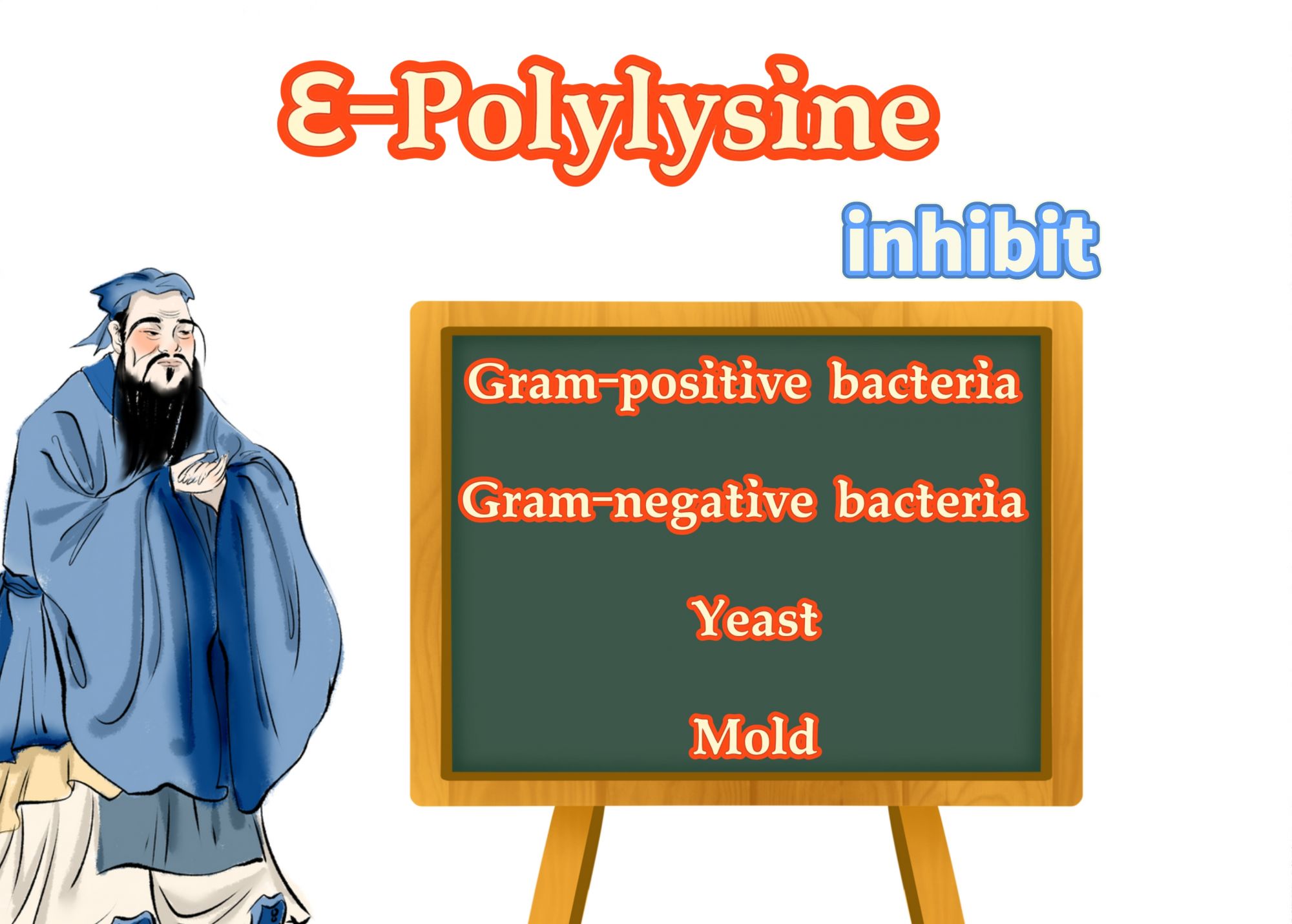
Highly Effective and Broad-Spectrum: It achieves significant preservative effects at very low usage levels (typically 0.01%–0.1%), and is particularly effective against yeast and molds, which are often hard to suppress with conventional preservatives.
Natural Origin, Aligns with Consumer Trends: Sourced from fermentation, it meets the global consumer demand for "clean labels." On ingredient lists, it can be listed as "Polylysine" or "ε-Polylysine," making it more appealing to ingredient-conscious consumers.
High Safety Profile: It can be broken down into lysine, an essential amino acid for humans, with no cumulative toxicity. It has been approved for use in food by numerous countries including China, the USA, Japan, and South Korea, providing a strong safety endorsement for your product.
Good Water Solubility and Stability: It is easily soluble in water, making it convenient to incorporate into various water-based products. It is also heat-stable and remains effective even after sterilization at 120°C, making it suitable for heat-processed foods.
No Off-Flavors, Minimal Impact on Product Quality: Unlike some other natural preservatives (e.g., natamycin), Polylysine has little to no inherent odor and minimally affects the original flavor, color, and texture of the product.
So, Is Your Product a Good Fit for Polylysine?
1. Food and Beverage Industry
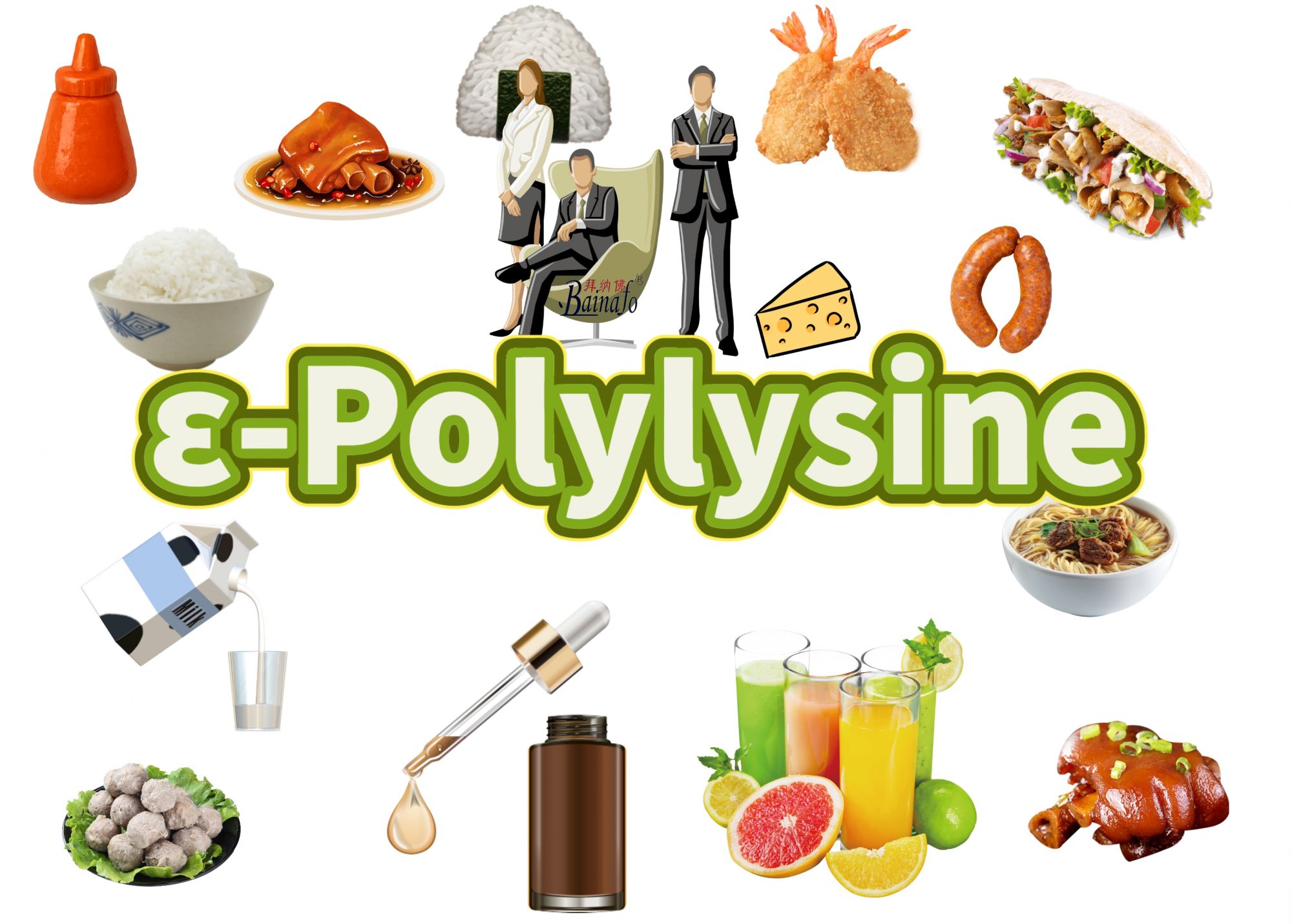
Rice and Rice Products: Boxed meals, sushi, ready-to-eat rice meals. Polylysine effectively inhibits bacillus that causes rice to become sticky and sour, making it an excellent preservative for rice-based products.
Cooked Meat Products: Marinated meats, low-temperature sausages. It effectively inhibits lactic acid bacteria and other microbes that cause spoilage, extending shelf life.
Condiments and Sauces: Soy sauce, vinegar, salad dressings, hot pot dips. Its antibacterial activity is not affected—and can even work synergistically—in acidic environments.
Beverages: Fruit and vegetable juices, plant-based protein drinks, functional beverages. It provides stable preservation, especially suitable for neutral or slightly alkaline drinks.
Pastries and Desserts: Cream cakes, puddings, fillings. It effectively combats yeast and mold, preventing them from becoming moldy or spoiling due to fermentation.
2. Cosmetics and Personal Care Products
Water-Based Products: Toners, essences, sheet mask solutions. These nutrient-rich products are prone to microbial growth; Polylysine offers a mild and highly effective preservation solution.
Low-Preservative Formulations: For high-end products marketed as "preservative-free" or "low-preservative," Polylysine is an excellent alternative to controversial traditional preservatives.
Baby Care Products: Due to its high safety profile, it is very suitable for baby wipes, skincare products, and other items requiring the highest safety standards.
3. Other Potential Areas
Pet Food: Preservation of wet food and pet treats.
Pharmaceutical Excipients: As a natural preservative component in some liquid preparations.
ε-Polylysine & Nisin: These are also making their way into skincare because they’re gentle and effective—perfect for sensitive skin.
Before Adopting Polylysine:
Regulatory Compliance: Before applying Polylysine to your product, the primary task is to confirm whether it is permitted by regulations in your target region, as well as the allowed dosage and application scope. While its approved uses are expanding, regulations still vary by country.
Cost-Benefit Analysis: The unit cost of Polylysine is typically higher than that of chemical preservatives like sodium benzoate or potassium sorbate. You need to assess whether the product premium it can support (e.g., "natural," "safer" selling points) can offset the increased cost.
Formulation Compatibility and Optimal pH: Polylysine works best in acidic to neutral conditions (pH 2-8). Its antimicrobial activity may be reduced in strongly alkaline products. It may also interact with certain anionic polymers or ingredients, necessitating compatibility testing.
Synergistic Solutions: Combining Polylysine with other natural preservatives or physical preservation technologies often creates a synergistic "1+1>2" effect. This can achieve better preservation at lower usage levels and optimize overall costs.
Polylysine is more than just a preservative; it is a strategy for product enhancement. If your product faces any of the following challenges:
Seeking a natural alternative to traditional chemical preservatives;
Needing stronger protection against specific microbes like yeast and mold;
Aiming to build a "clean label" or "premium natural" brand image;
It is highly worthwhile for you to seriously evaluate the possibility of using Polylysine in your product!
Please feel free to contact a professional Polylysine manufacturer Bainafo to obtain samples and conduct targeted application tests. Let the data speak for itself and see firsthand how it can inject new vitality into your product quality and market competitiveness.